How EV Chargers Work at Home
As electric vehicles become more common in Manatee County, homeowners are increasingly asking about home EV charging installation. Here's what you need to know.
Level 1 vs Level 2 charging
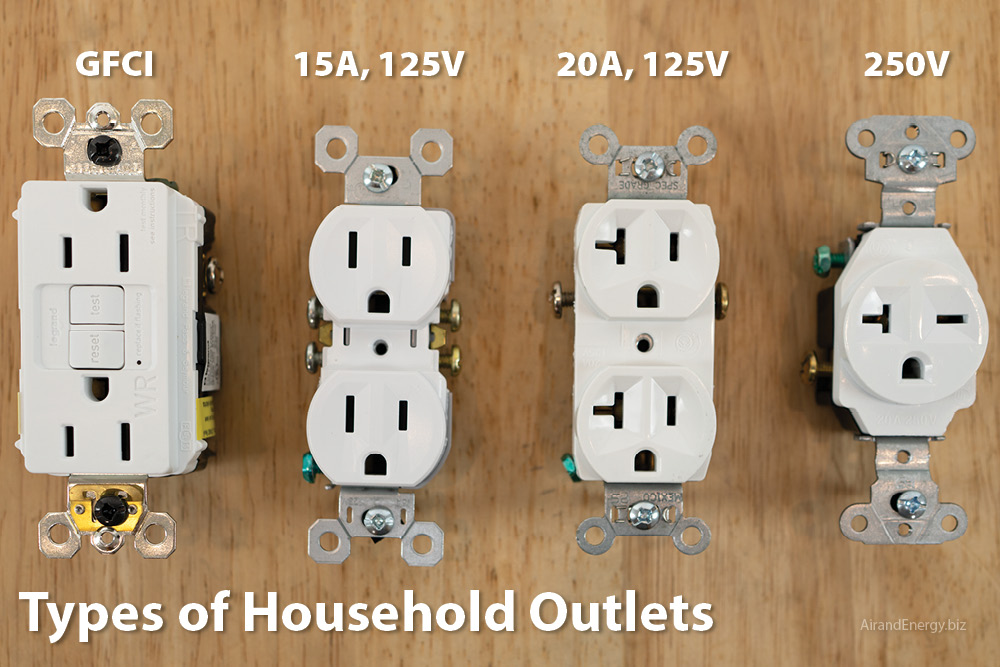
Level 1 charging uses a standard 120V outlet and adds about 3-5 miles of range per hour of charging. Level 2 charging uses a 240V circuit and adds 20-30 miles per hour. Most homeowners who buy an EV quickly upgrade to Level 2.
What a Level 2 installation requires
A dedicated 240V, 40-50 amp circuit run from your electrical panel to the garage or driveway where you'll charge. In many Manatee County homes, this also requires a panel upgrade if the panel is already near capacity or is outdated.
Permit requirements in Manatee County
EV charger installations require an electrical permit in Manatee County. Our licensed electricians (License #EC13011350) handle permitting, installation, and inspection coordination. Call Air & Energy at (941) 778-0773.
Air & Energy's licensed electricians serve all of Manatee County. Learn about electrical services or call (941) 778-0773.