Understanding The R-410A Refrigerant Phase-Out
If you have an air conditioning system manufactured before 2025, you should know about the ongoing refrigerant transition and what it means for your system.
What's Happening
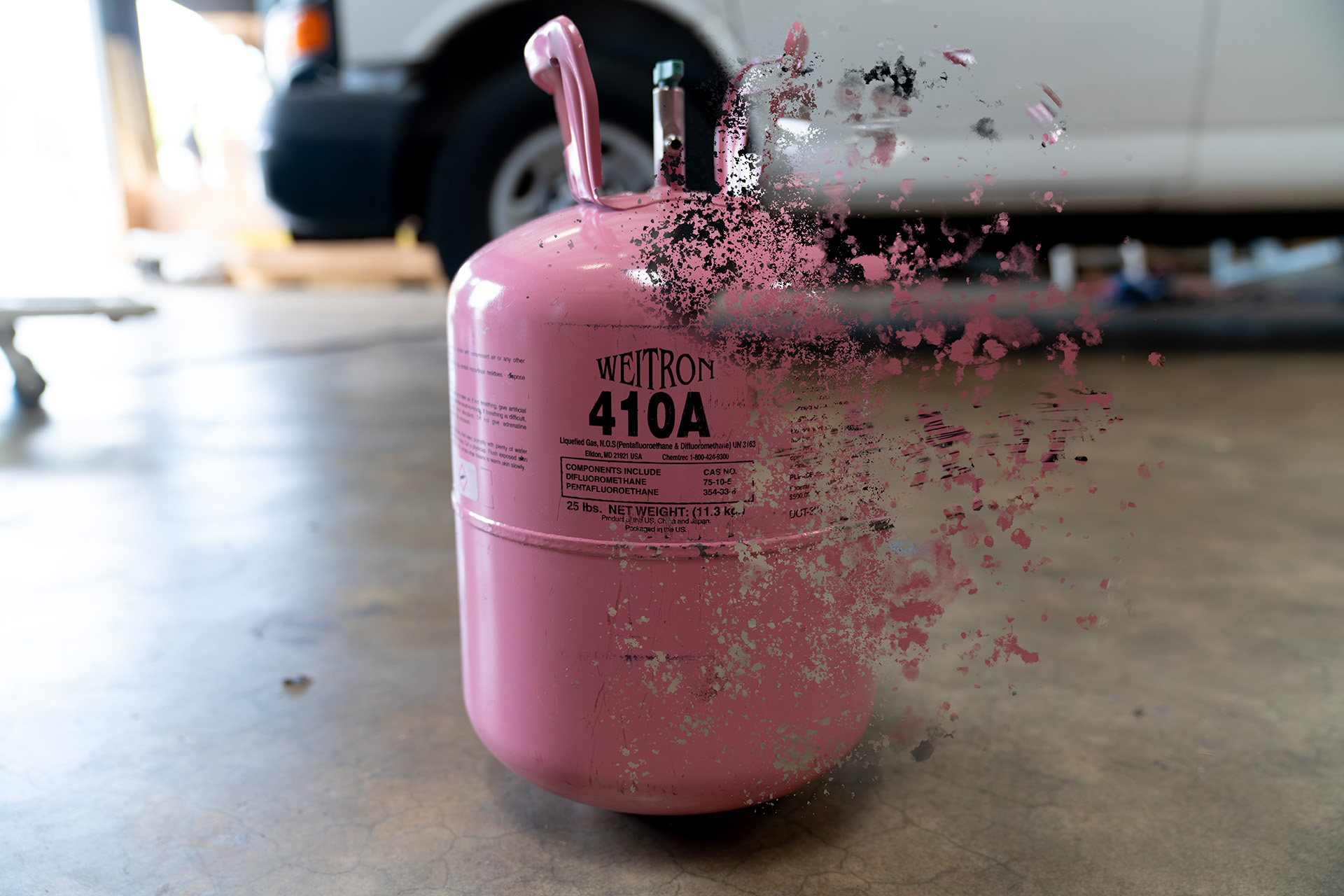
R-410A, the refrigerant used in most residential AC systems installed between 2010-2024, is being phased out under EPA regulations due to its high global warming potential. New AC systems manufactured after January 1, 2025 must use lower-GWP refrigerants like R-454B.
What This Means for Your Existing System
If your system uses R-410A, it can still be serviced and recharged. R-410A refrigerant will remain available during the transition period. Your system doesn't need to be replaced simply because of the phase-out.
When Does It Actually Affect You?
The phase-out matters most when your current system needs replacement. New replacement systems will use the newer refrigerants, which affects the cost of refrigerant if future top-offs are needed. This is one more reason to keep your current system well-maintained to avoid premature replacement.
Thinking About Replacement?
If your system is 10+ years old and running on older refrigerants, upgrading now to a high-efficiency R-454B system may make financial sense. Air & Energy can assess your current system and help you decide. Call (941) 778-0773 or schedule a consultation online. License #CAC1817161.