Heat pump and heating repair
No heat, or a heat pump blowing cool air? What to check first, and how a repair visit works and is billed.



Found your way to our heating page? Then it's probably one of the handful of genuinely cold days we get around here each year. Good news: we fix heat too.
If it's cold inside and your system isn't keeping up
Many homes around here heat with a heat pump or heat strips, not a gas furnace — even if "furnace" is what you call it. Your heat almost always comes from one of two places:
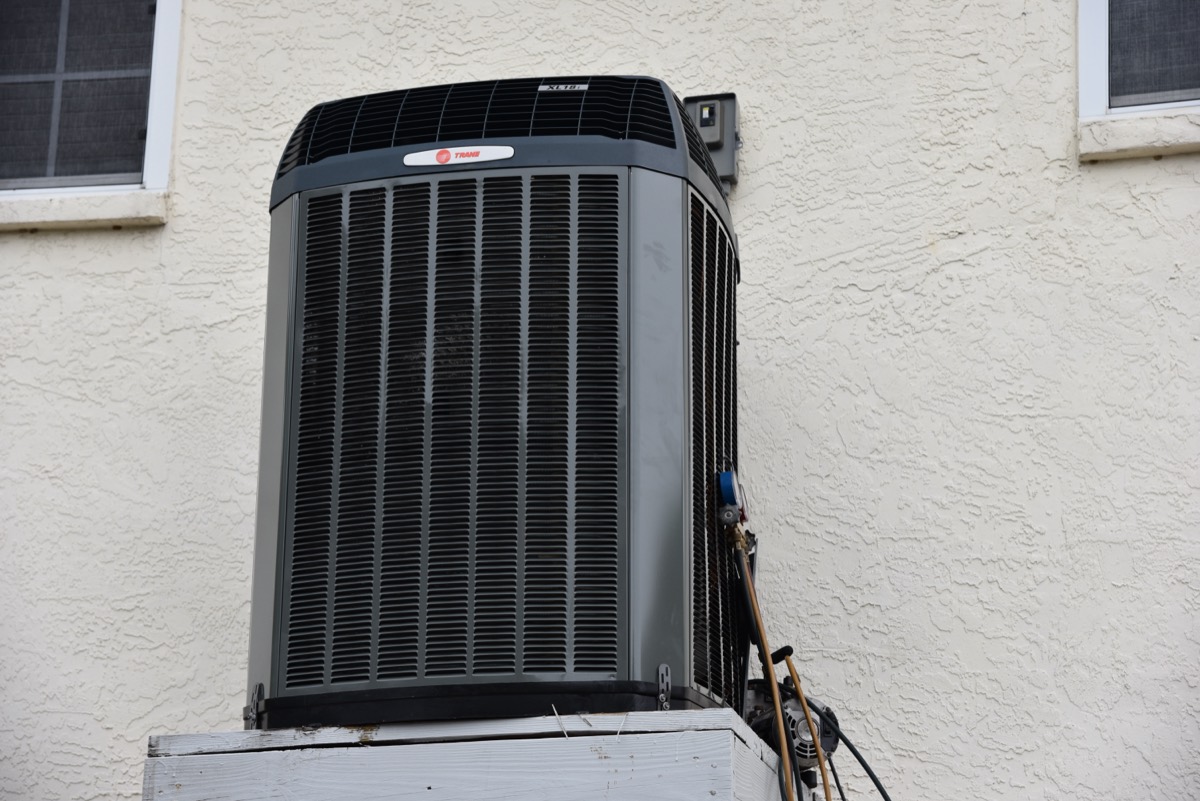
- A heat pump. This is your air conditioner running in reverse. The same outdoor unit that cools the house all summer pulls warmth from outside air in winter and moves it indoors. It's efficient, and of the systems we've installed in the past two years that we could classify by model, more were heat pumps than cooling-only units.
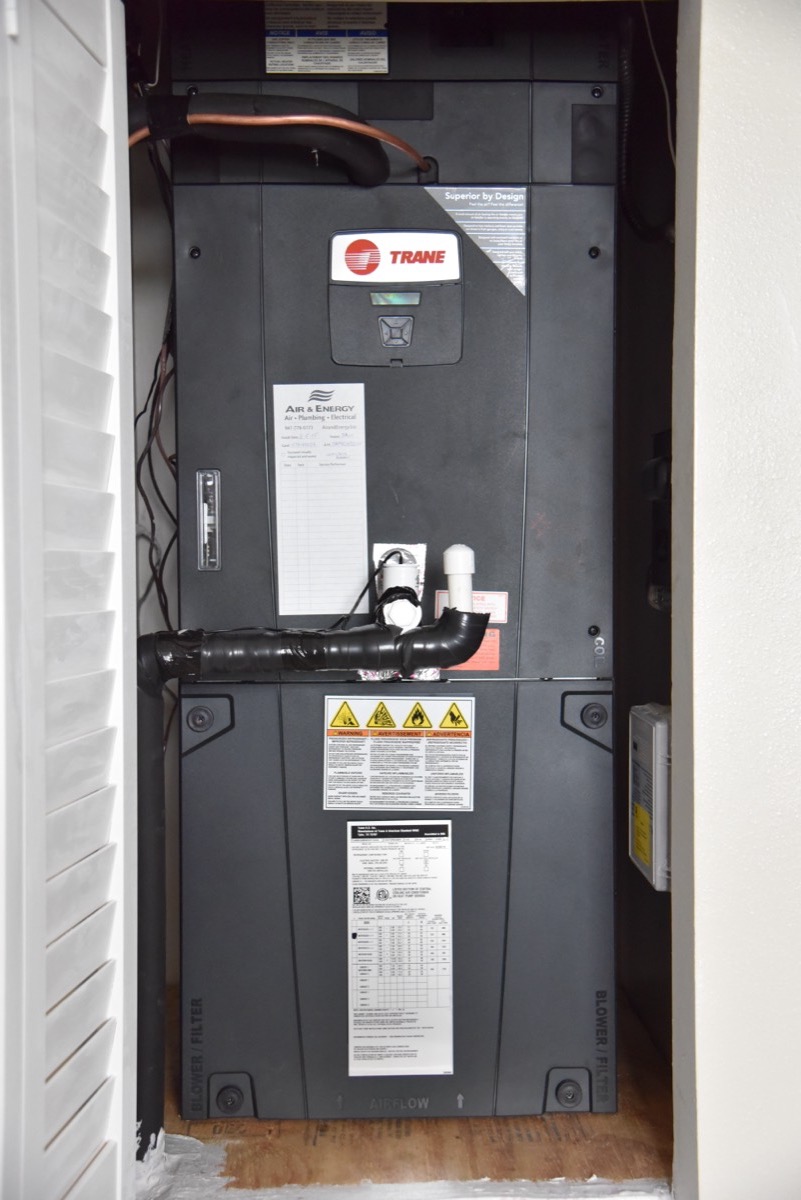
- Heat strips. These are electric heating elements inside the indoor unit (the air handler), which work like the coils in a toaster. In a home with a cooling-only AC, the strips are the heat. In a heat pump home, they're the backup for the coldest mornings.
Some homes here have a gas furnace instead. Our technicians work on all three: heat pumps, electric heat strips and gas furnaces.
Whichever you have, this is the page for "it's blowing cold air", "the heat won't come on", "it runs and runs and the house won't warm up", or "my power bill jumped the week it got cold."
A few checks before you call
These take a couple of minutes and sometimes save a visit:
- Thermostat. Is it set to Heat (not Cool or Off), set above the room temperature, and showing a normal display? A blank screen can mean dead batteries or a power problem at the indoor unit.
- Breakers. Many homes have more than one for the system: one for the outdoor unit and one or two for the air handler and its heat strips. If one has tripped, reset it once. If it trips again, leave it off and call us, because a breaker that keeps tripping is telling you something.
- Filter. A clogged filter chokes airflow, and heat strips can shut themselves off to keep from overheating.
Call now if the house is getting cold and someone at home is elderly, very young or unwell, if a breaker keeps tripping, or if you smell something burning that doesn't go away. A weekday is usually fine if the house is holding a reasonable temperature and everyone is comfortable.
If you have gas heat and smell gas, don't touch the thermostat or light switches. Leave the house and call your gas utility or 911 from outside.
What your system is telling you
The outdoor unit is steaming. On a cold, damp morning a heat pump builds frost on its outdoor coil. Every so often it runs a short defrost: the fan stops, you may hear a whoosh, and a cloud of steam rolls off the unit. People call us thinking it's on fire. Brief steam during defrost is normal. Not normal: a unit that stays caked in ice, real smoke, or a burning smell.
It's blowing cool air. Air from a heat pump feels warm, not hot. It's gentler than a furnace, and on a cold morning it can feel lukewarm at the vent even when it's working. Air that is actually cold, for more than a few minutes, is worth a call. If cooling worked fine all summer but heating doesn't, the problem is often a part that only works in heat mode: the reversing valve that switches the system between cooling and heating, the defrost controls, or a thermostat wired or set for the wrong kind of system.
"Aux heat" or "emergency heat" on the thermostat. Aux comes on by itself when the heat pump needs help, on the coldest mornings and during defrost. That's normal. Emergency heat is a setting you choose. It shuts the heat pump off and runs only the strips. Use it if the outdoor unit has failed and you need heat until we get there, then switch back. Strips use much more electricity than the heat pump for the same warmth, so the power bill will show it.
The power bill spiked. In a cold week, strips carrying more of the load is normal and shows up on the bill. If aux heat seems to be on most of the time in mild weather, the heat pump may not be doing its share, and that's worth having looked at.
A burning smell the first time you turn the heat on. Dust that settled on the strips over the summer burns off. It should fade within an hour or so. If it doesn't, or you see smoke, turn the system off at the thermostat and call.
No heat and no cooling either. If it's one system, it's one problem. Heat and cooling share the blower, the controls and most of the electrical parts. On our own no-heat calls, the parts that show up most often on the invoice are small electrical ones: contactors, fuses, breakers and thermostats.
What happens when you get in touch
Monday to Friday, 8 to 5, our office answers. Tell us what the system is doing and whether it's a heat pump, strips or gas, if you know. Service-call fees depend on the kind of visit, and we'll tell you before we send anyone.
Nights and weekends, we run emergency service. Your call goes to our automated on-call line, which takes your message for the Air & Energy technician on duty. After-hours work has its own rate, and you'll hear it before anyone comes out.
The request form is for things that can wait. It starts a service request; it doesn't reserve a visit time. On the form, choose Air Conditioning and Repair, and mention "heat" in the comments.
At the visit, and how it's billed
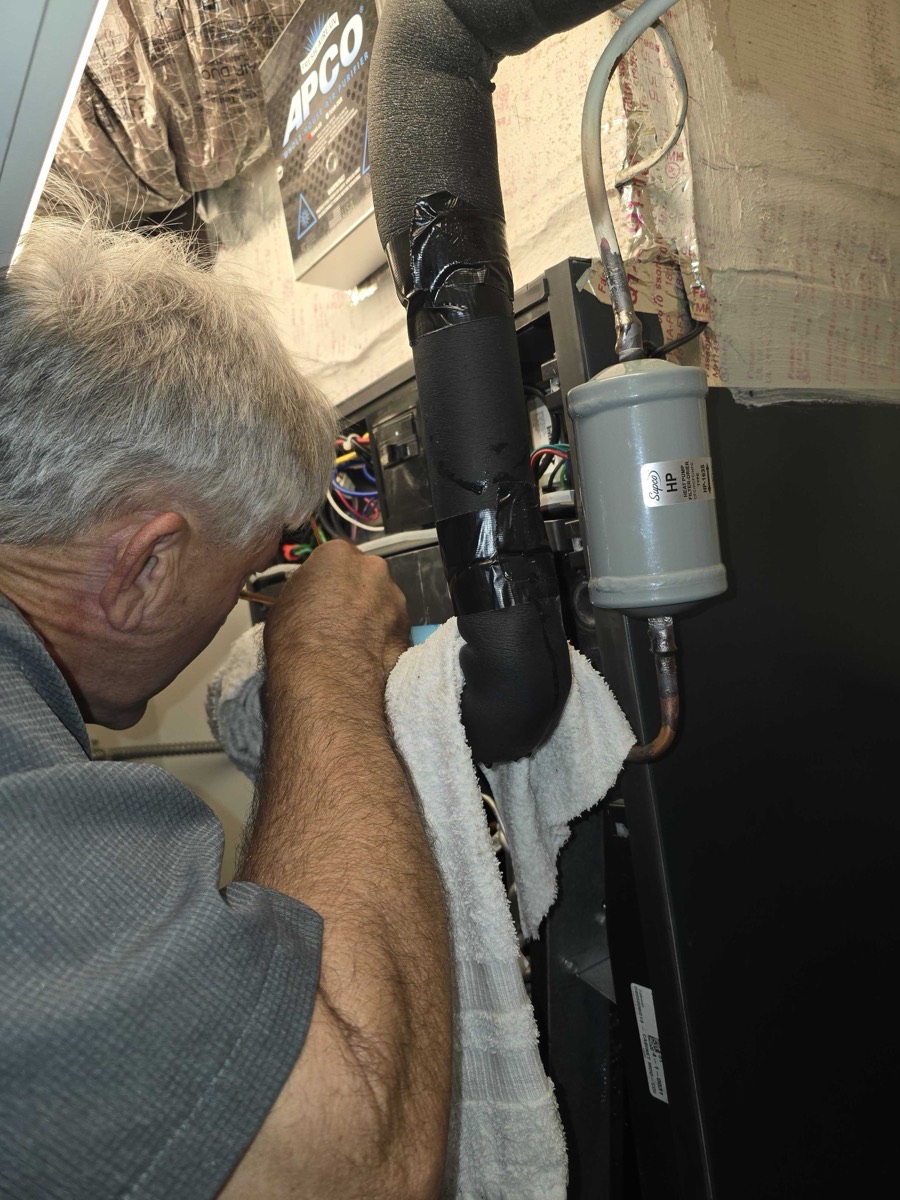
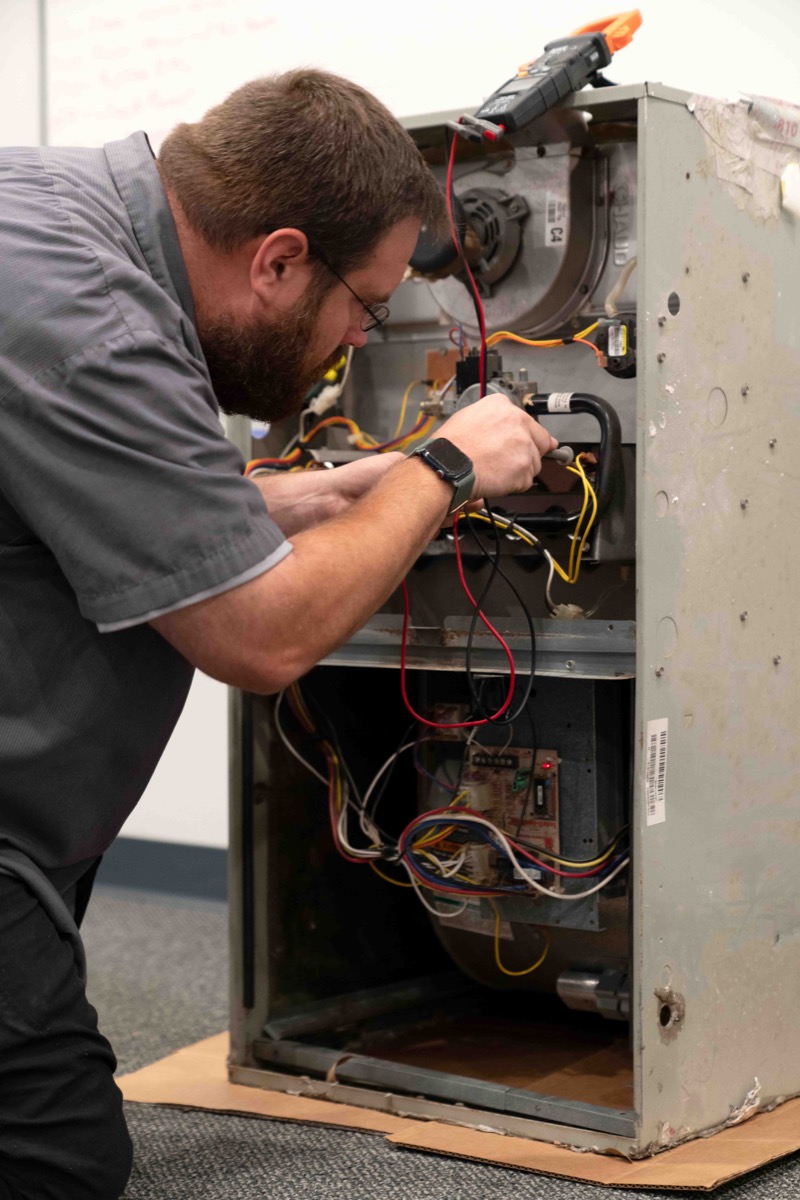
The technician starts by finding the cause. That means checking the thermostat and its wiring, the breakers and heat strips, the outdoor unit in heat mode, and the defrost and reversing controls. On a gas furnace, it's the igniter, flame sensor, gas valve, inducer fan and safety switches. You hear what failed, what it will take and what it will cost before any repair starts. Nothing gets fixed without your sign-off.
We don't publish repair prices, because "no heat" is a symptom, not a job. Some repairs are billed time and materials, meaning the time the work took and the parts it used. We generally prefer that, because you pay for the work that was actually needed rather than a flat price built for the worst case. Some repairs are flat rate. Either way, you approve the scope and billing basis before work begins.
We work on every make, not just the Trane systems we install.
Call (941) 778-0773
15 questions every homeowner should ask an HVAC contractor
License verification, sizing discipline, ductwork evaluation, warranty — the things that decide whether an AC install actually fits the house.
Repair it, or is it time?
A system that can be repaired usually should be, and we'll say so. The conversation changes with an older system that needs a major part, such as a compressor or a reversing valve, or one that keeps failing.
If you're replacing, it's worth knowing that in a heat pump home your heating and your air conditioning are the same equipment, so it's one decision, not two. More than half of the systems we've installed in the past two years were heat pumps. How we approach an installation · What our own AC replacements have cost
Winter work from our technicians
We've been heating and cooling homes around here since 1983. Last winter, November 2025 through February 2026, our technicians completed more than 200 no-heat calls.
Air & Energy holds Florida HVAC license CAC1817161, which you can check at myfloridalicense.com. We're a Trane Comfort Specialist dealer, and we repair every brand.
Before the first cold morning
A maintenance visit is a good time to check the heat side of your system too, before you need it. Our VIP program includes two maintenance visits a year, priority scheduling, and no overtime fees on evenings, weekends and holidays.
Tell us what it's doing
Call and describe it. We'll tell you what the visit costs before anyone comes out.
Call (941) 778-0773
Not urgent? Request service online
We cover all of Manatee County and all of Lakewood Ranch, including the Sarasota County side.