Leaks, slab leaks, old pipes, drains, toilets, backflow and gas: what's wrong, and what to do next.

Plumbing trouble tends to arrive in a handful of shapes. Find the one that sounds like your house, and we'll take you straight to the part that helps.
Water is going where it shouldn't, right now. Here's what to do in the next five minutes, and when to call.
A drain is slow, backing up or clogged again. Annoying, usually not urgent, and the second clog tells us more than the first.
A toilet, faucet or outdoor spigot isn't working. The everyday repairs that are the bread and butter of what our plumbers fix.
The water bill jumped, or you can hear water running when nothing is on. How to tell whether you really have a leak, what a slab leak looks like, and who finds the ones you can't see.
The pipes are old, an insurance inspection flagged something, or this isn't your first leak. When a repair is enough, and when it's time to talk about new pipe.
Someone already gave you a quote. We'll review another company's plumbing quote with you for free.
You need a gas line for a new appliance, a generator or a pool heater. Our plumbing license covers gas work.
Your backflow preventer failed its annual test. What the county expects, and how quickly.
No hot water? Start with water heater repair and replacement, or see what a tankless heater needs to work well. Curious about what's actually in your water? Our water filtration guide covers it.
If you smell gas, don't call us first. Get everyone out, don't touch light switches or appliances on the way, and call 911 or your gas company's emergency line from outside. Call us once they've made it safe.
If water is coming out and you can't stop it, shut off the main and call (941) 778-0773. Sewage coming up into a tub or shower, or a leak you can hear inside a wall, is a call-now too. Our office is open Monday through Friday, 8 to 5, and we provide emergency service on nights and weekends. After hours, your call goes to our automated on-call system, which our own technicians respond through. Not sure whether it can wait? Here's how to tell.
The main shutoff is usually where the water line enters the house, or at the meter near the street. It's worth finding on a calm day, and if it won't turn, mention it the next time a plumber is out.
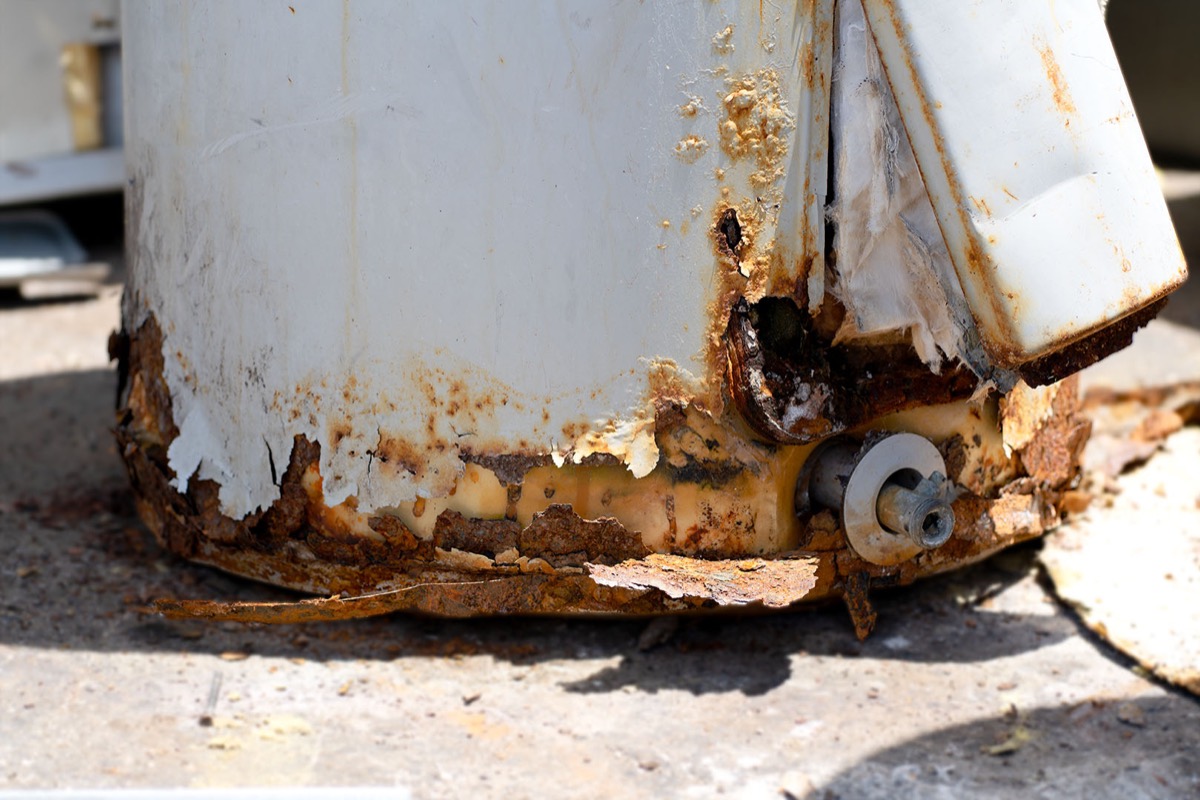
Most plumbing is ordinary, necessary work, and we do a lot of it. In the twelve months to September 2026, our plumbers made about 1,800 service visits for about 1,300 customers. The things we fix most are toilets and water heaters, followed by shutoff valves, faucets, drains and outdoor hose bibbs. We also repipe houses, from a single failing run to the whole house, repair and replace backflow preventers, run gas lines, and install toilets and fixtures.
Whoever shows up is an Air & Energy plumber, in a marked truck, on our payroll. If the job needs a permit, we pull it and close it. And because plumbing is one of four trades we run in-house, a job that turns out to be two, like a water heater that needs a circuit it doesn't have, stays with one company.
A water bill that jumps for no reason is often the first sign of a hidden leak. Your water meter can tell you whether something really is leaking before anyone comes out. Make sure nothing in the house is using water (no washer, dishwasher, irrigation or ice maker filling), note the reading, wait about two hours, and read it again. Many meters also have a small leak indicator that turns whenever water is moving. If the reading changed while nothing was running, water is going somewhere. That's a sign, not a diagnosis, and it's the moment to call us.
The usual culprits are less dramatic than people fear. A toilet that quietly keeps refilling is one of the most common, and it's a simple repair. After that, we check the visible lines, the water heater, the outdoor hose bibbs and the irrigation connection.
Most homes around here sit on a concrete slab, with water lines running underneath or through it. When one of those lines leaks, the clues are a warm spot on the floor (a hot-water line), the sound of water running when everything is off, a damp patch in the carpet or flooring, or a meter that never rests. A slab leak isn't a reason to panic, but it isn't one to ignore either.
The fix is usually one of two things: open the floor at the leak and repair that spot, or leave the old line where it is and run a new one overhead to bypass it. One pinhole in otherwise sound pipe is often worth a spot repair. A house that keeps producing new pinholes is telling you something, and rerouting or repiping is usually the better answer. We'll explain which fits your house before we start, and a reroute or repipe is quoted in writing.
Plenty of leaks give themselves away once a plumber is standing in the room: a wet cabinet, a weeping fitting, a toilet that won't stop. When a leak is buried under the slab or inside a finished wall, pinpointing it takes specialized locating equipment. In that case we'll tell you so plainly and point you to a leak-detection company. Once they've marked the spot, we come back and make the repair. Opening walls on a hunch is expensive for everyone; finding the leak first is cheaper.
We'll also tell you up front what has to be opened to reach the pipe. We're plumbers, not drywall finishers, so patching the wall or floor afterward is separate work.
Plenty of homes in Bradenton and Manatee County still have their original pipes, and some of those pipes are near the end of their working life. Three kinds deserve a closer look.
Polybutylene is a gray plastic supply pipe that went into many Florida homes built from the late 1970s to the mid-1990s. You'll usually spot it at the water heater or under the sinks.
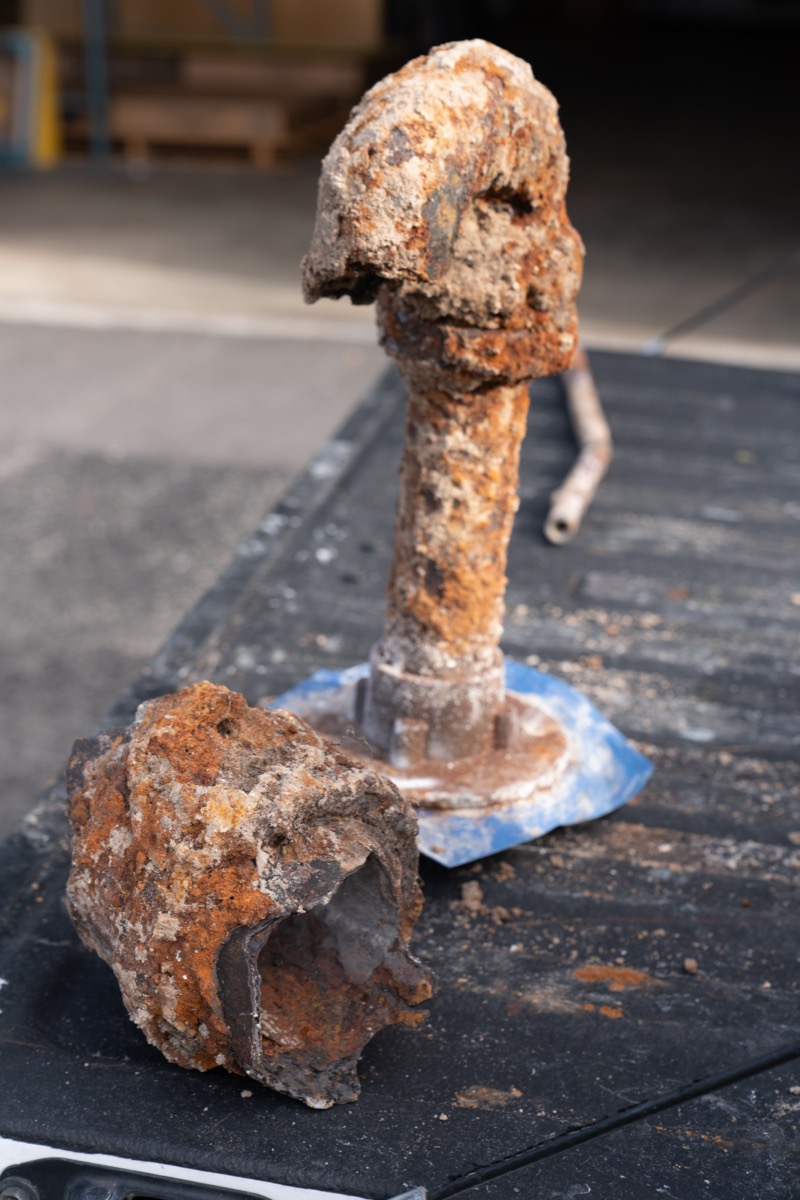
Galvanized steel rusts from the inside, so the opening slowly closes until the pressure drops and the pipe starts to leak. Fixing one section rarely ends it, because the next section is just as old.
Copper can develop pinhole leaks. One pinhole is a repair. A new one every few months is a pattern.
Many Florida homeowners first hear about their pipes from a 4-point inspection, the report insurers commonly ask for on older homes. Its plumbing section asks what the pipes are made of (galvanized and polybutylene are on the list), whether the piping is original or has been re-piped, and whether there are signs of an active or past leak. It also covers the water heater and its temperature-and-pressure relief valve, and the connections to the toilets, sinks, appliances and main shutoff. The inspector photographs the water heater, the plumbing under the cabinets and the exposed valves.
If your report flagged something, call (941) 778-0773 and tell us what it says. Corroded water heater connections, worn supply lines and tired shutoff valves are routine repairs for us, and your invoice will spell out exactly what we replaced.
One leak doesn't mean you need new pipes, and anyone who quotes a whole-house repipe off a single pinhole should be able to tell you why. We weigh the same things every time: what the pipe is made of, how many leaks the house has had and where, the water pressure, and the condition of the pipe we can see. Sometimes the answer is to replace one run, like the line to the water heater or the section under one bathroom. Sometimes it's the whole house, and we do both. Either way, you'll hear the reasoning and get a written quote before anything starts. Our repiping guide covers the signs, the materials and what the job is like.
A remodel is the one time the pipes under your floors and behind your walls are easy to reach, so it's worth asking a few plumbing questions before the new tile goes down. The year the house was built won't tell you what's under it. A plumber looking at the actual pipe will.
Ask us whether a camera inspection makes sense before you open walls or floors. We'll also tell you up front what has to be opened to reach the pipe, and larger work is quoted in writing before it starts. We're plumbers, not finish carpenters, so the floors and walls go back to your remodeler. If the supply pipes are part of the conversation, our repiping guide covers partial and whole-house repipes.
Tell us what you're planning at (941) 778-0773.
License and gas certification, pipe materials, warranty — the difference between a plumber who finds the real problem and one who just sells inventory.
A backflow preventer is the brass valve assembly near your water meter or on your irrigation line. It keeps sprinkler, pool or other non-drinking water from flowing back into the drinking-water supply. Manatee County Utilities requires one on homes with, among other things, in-ground irrigation, a pool, reclaimed water or a well, and requires the owner to have it tested every year by a registered tester. If yours fails, the county gives you 30 days to repair or replace it and have it re-certified before water service can be shut off.
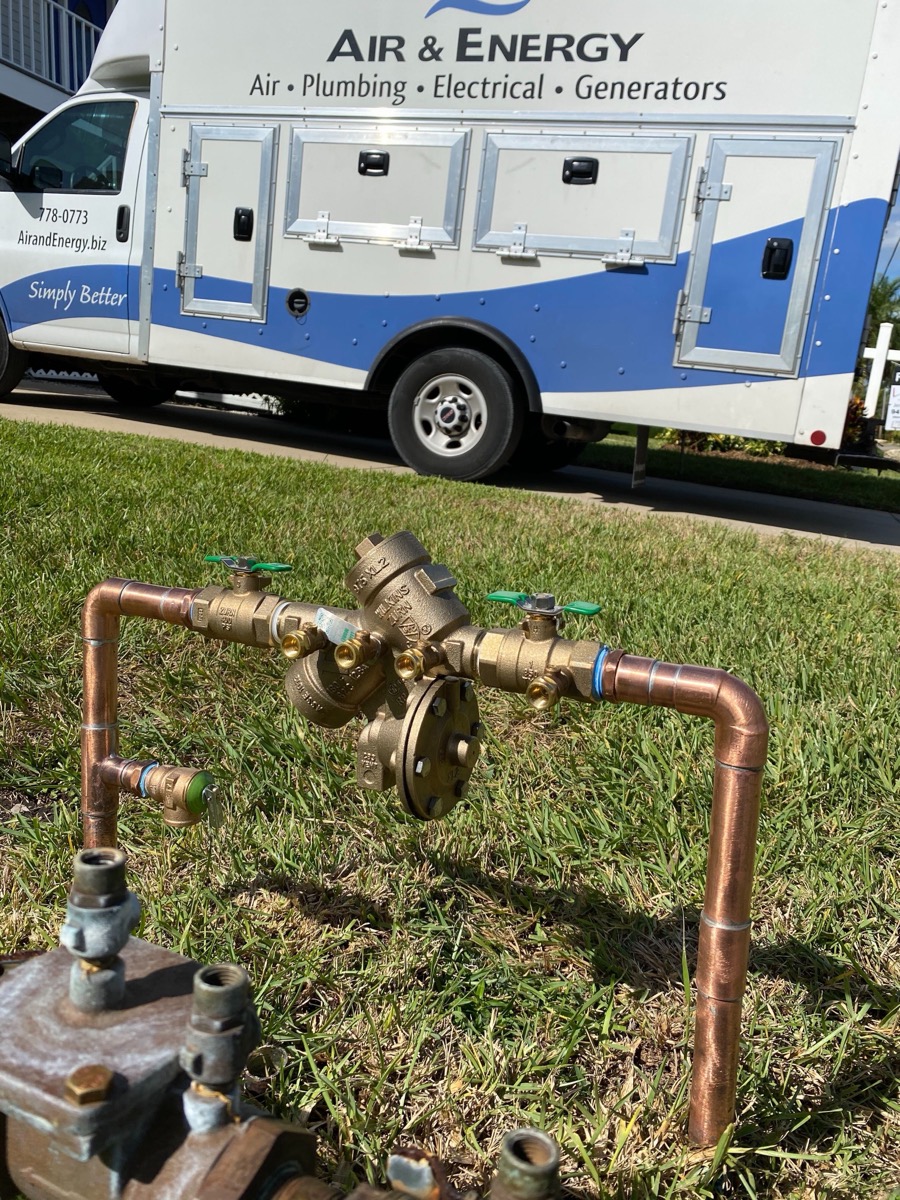
We repair and replace backflow preventers, and a replacement has to meet the county's standards for your property. We don't do backflow testing. After a repair or replacement, the assembly has to be tested and re-certified by a tester registered with the county, within the same 30 days; the county lists its registered testers on its backflow program page. If you've received a failed-test notice, call (941) 778-0773 with it in hand. If your water comes from the City of Bradenton, Palmetto or another utility, its program may differ, so check the notice for the details.
Air & Energy's plumbing license, CFC1429106, covers gas work, and gas is a regular part of what our plumbers do. That includes new lines to a dryer, range, water heater or pool heater, and lines sized for a standby generator. Because we also install generators, the gas line and the generator can be one job with one company instead of two. A gas line has to be sized for everything it will feed, so tell us what's on it now and what you're planning to add.
A gas smell is not a scheduling call. Leave the house and call 911 or your gas company's emergency line from outside first.
A lot of plumbing calls start with someone else's number: a whole-house repipe after one leak, a sewer line somebody wants to dig up, a water heater that supposedly has to be replaced today. Before you compare totals, compare the jobs. We'll review another company's plumbing quote with you for free.
A good plumbing quote should tell you:
If a quote recommends replacing something, it's fair to ask why a repair won't do, and to get the answer in plain English. Our plumbers are paid hourly, not on commission. We're family-owned with no outside investors, and quality matters more to us than a daily revenue goal, so you'll hear the repair option when it's the right one. For the full list of questions worth asking any plumber, see our guide to choosing a plumber.
When you're ready, call (941) 778-0773 and tell us you'd like a second opinion.
We don't publish plumbing prices, because "a leak" is a symptom, not a job. Most of our repairs are billed time and materials, which we prefer: you pay for the time and parts the job actually took. Some work is priced flat. Either way, you'll hear the scope and how it will be billed before anything starts, and larger jobs like repipes are quoted in writing. Replacement estimates are free, most repairs are finished the same day we're there, and our work carries a one-year workmanship warranty (water heater installations carry three years on our labor). Here's how a repair bill is built, or see how we price our work.
How do I know if I have a hidden water leak?
Turn off everything that uses water, read your water meter, wait about two hours and read it again. If the reading moved, water is leaking somewhere and it's time to call a plumber. A sudden jump in your bill, a warm spot on the floor or the sound of running water are other signs.
What are the signs of a slab leak?
A warm or damp spot on the floor, water running when nothing is on, a meter that keeps moving and an unexplained jump in the water bill. Slab leaks are repaired either through the floor at the leak or by rerouting a new line overhead. More on slab leaks.
Do I need a whole-house repipe after one leak?
Usually not. One pinhole in otherwise sound pipe is normally a repair. Repeated leaks, galvanized pipe that has rusted inside, or polybutylene are the cases where replacing a run or the whole house starts to make sense. Here's how we decide.
What is polybutylene pipe?
A gray plastic water supply pipe used in many Florida homes built from the late 1970s to the mid-1990s. It's usually visible at the water heater or under sinks, and the 4-point inspection form asks about it.
What does the plumbing part of a Florida 4-point inspection look at?
The type and age of the pipes, any active or past leaks, the water heater and its relief valve, and the condition of the connections to toilets, sinks, appliances and the main shutoff. If yours flagged something, we can repair it and document the work on your invoice.
Do I need a backflow preventer in Manatee County?
Manatee County Utilities requires one on homes with features such as in-ground irrigation, a pool, reclaimed water or a well, and it must be tested every year. A failed assembly has to be repaired or replaced, and re-certified by a county-registered tester, within 30 days. We do the repair or replacement; we don't do the testing.
Why does my drain keep clogging?
A clog that keeps coming back usually means a problem further down the line, such as buildup, roots or a damaged section, not just a bad week. Here's what we look for.
Do you install water heaters?
Yes. We repair and replace tank water heaters, gas and electric, and install tankless and heat-pump models. Every water heater we install carries our three-year labor warranty. Water heater repair and replacement.
Will you install a faucet or toilet I already bought?
Yes. We install toilets, faucets and fixtures, including ones you've picked out yourself. Tell us what it is when you call.
Can you run a gas line for a generator or appliance?
Yes. Our plumbing license, CFC1429106, covers gas work, and we run lines to dryers, ranges, water heaters, pool heaters and standby generators.
Will you look at another plumber's quote?
Yes, for free. Here's what a good quote should show.
Is there a charge to come out?
There's no separate trip or diagnostic fee, but a repair visit has a minimum charge. Repairs are billed for time and parts, and you can ask us for our hourly rate. Replacement estimates are free.
Can a plumber come out today?
Call and tell us what the water is doing, and the office will tell you what's possible. Our trucks are stocked, so most repairs are finished the same day we're there.
Do you handle plumbing emergencies on nights and weekends?
Yes. Outside office hours, calls go to our automated on-call system, which our own technicians respond through.
I'm a VIP member. Does that change anything?
Mention it when you call. VIP members get 10% off all repairs and never pay overtime fees. Learn about VIP.
Do you cover Lakewood Ranch and Parrish?
Yes: all of Lakewood Ranch, including the Sarasota County side like Waterside and Windward, plus Parrish, Bradenton, Palmetto, Ellenton and the rest of Manatee County.
We've been working on houses around here since 1983. Call and describe what you're seeing, and we'll tell you what it's likely to be and what happens next, before you commit to anything. Air & Energy is a Florida Certified Plumbing Contractor, license CFC1429106, which you can look up at myfloridalicense.com.
Not urgent? Request service online and our office will text or call you, whichever you choose, to set a time.